Aquarium CO₂ Drop Checker (monitors CO₂ levels)
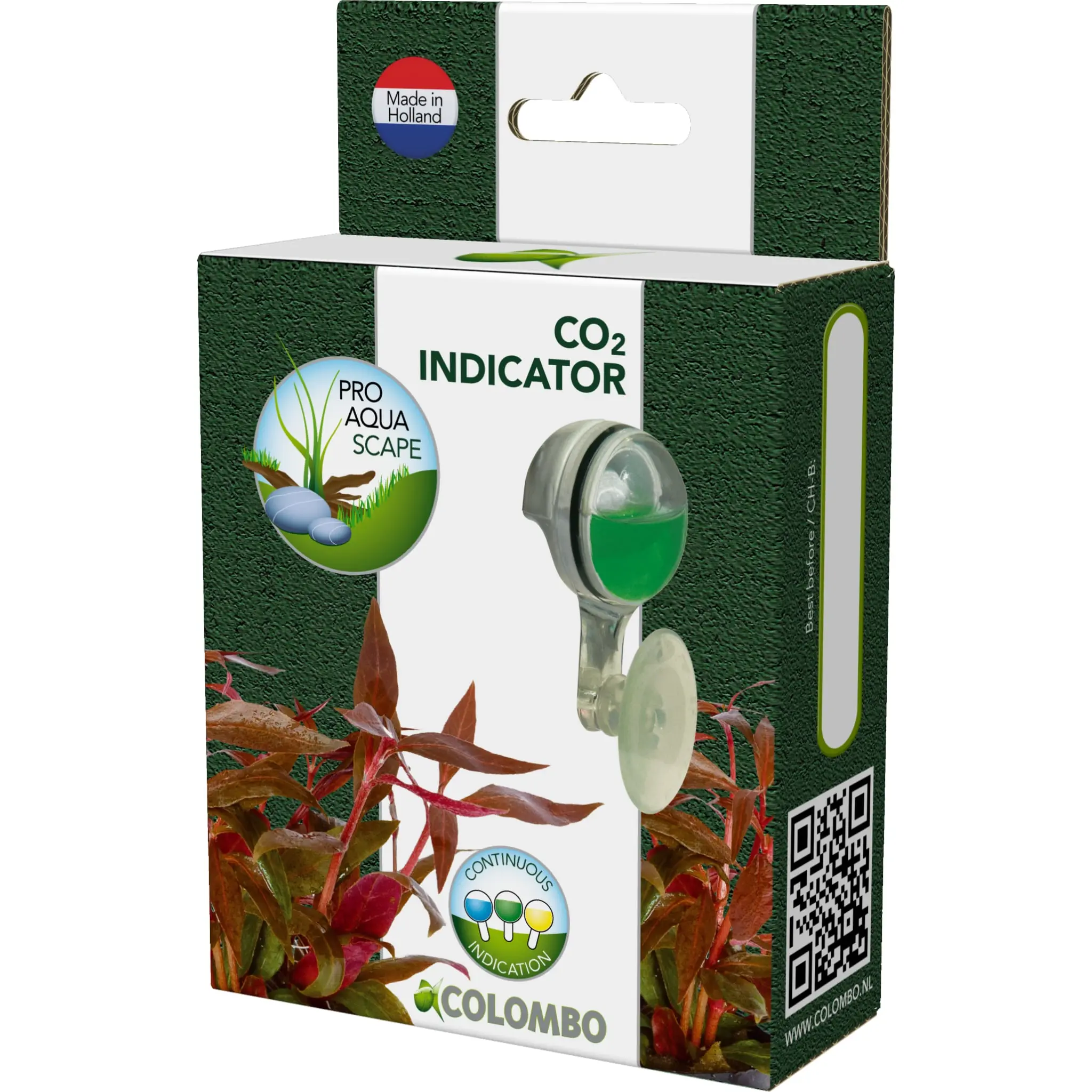
The Neutro Drop Checker is designed to indicate the amount of CO₂ in your planted aquarium. In order to understand the CO₂ level, a colour change occurs within the drop checker.
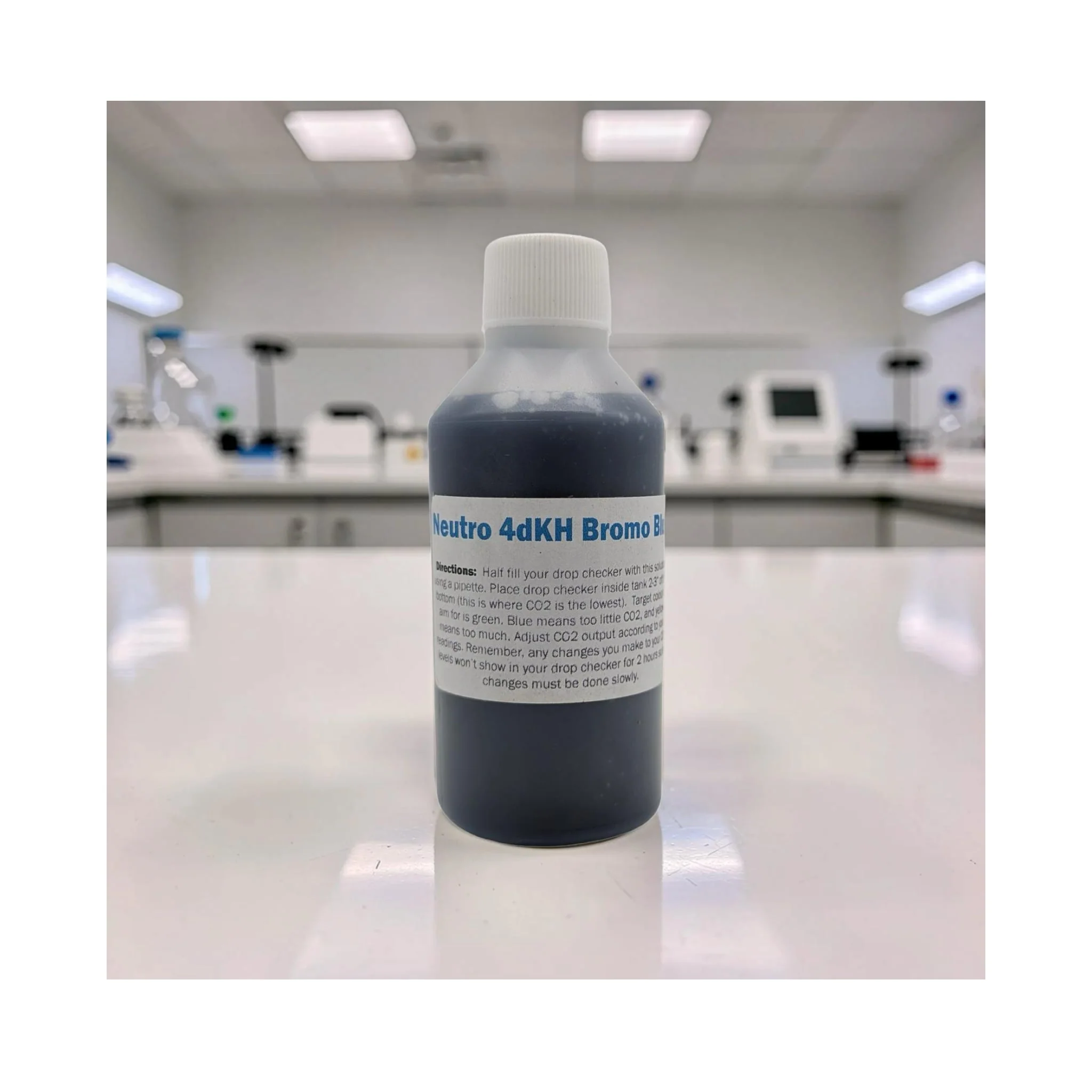
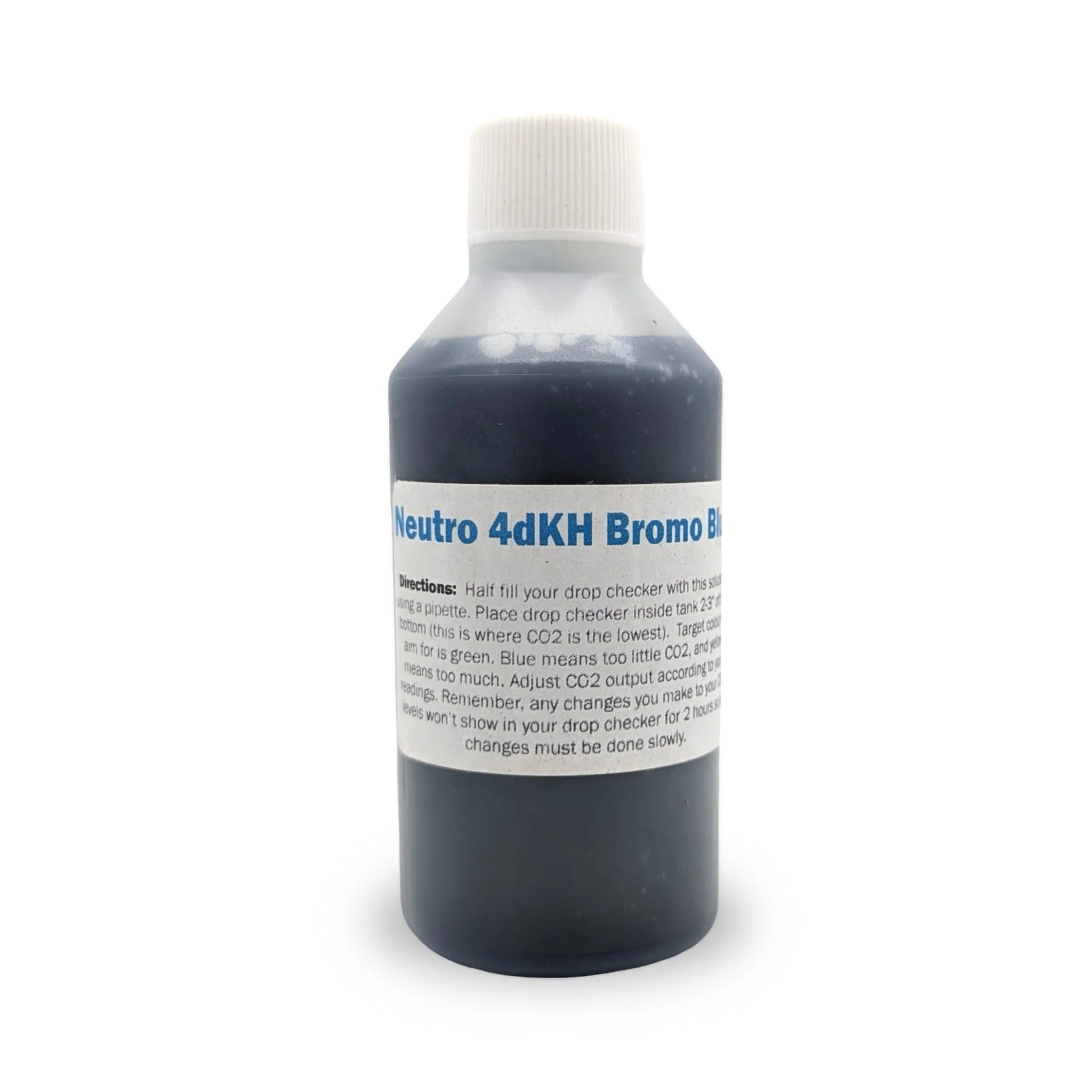
Drop checkers are the only way to monitor CO₂ levels on a daily basis with high accuracy. This drop checker requires Neutro Bromo Blue solution to work and needs to be purchased separately.
WIthout a drop checker you are guessing your CO₂ levels. This means plant growth will be sporadic and undesirable and this is why drop checkers play an important role when injecting CO2 into a planted aquarium. Drop checkers are very easy to use and start monitoring the levels immediately but always have a 2hour lag.
Directions to use:
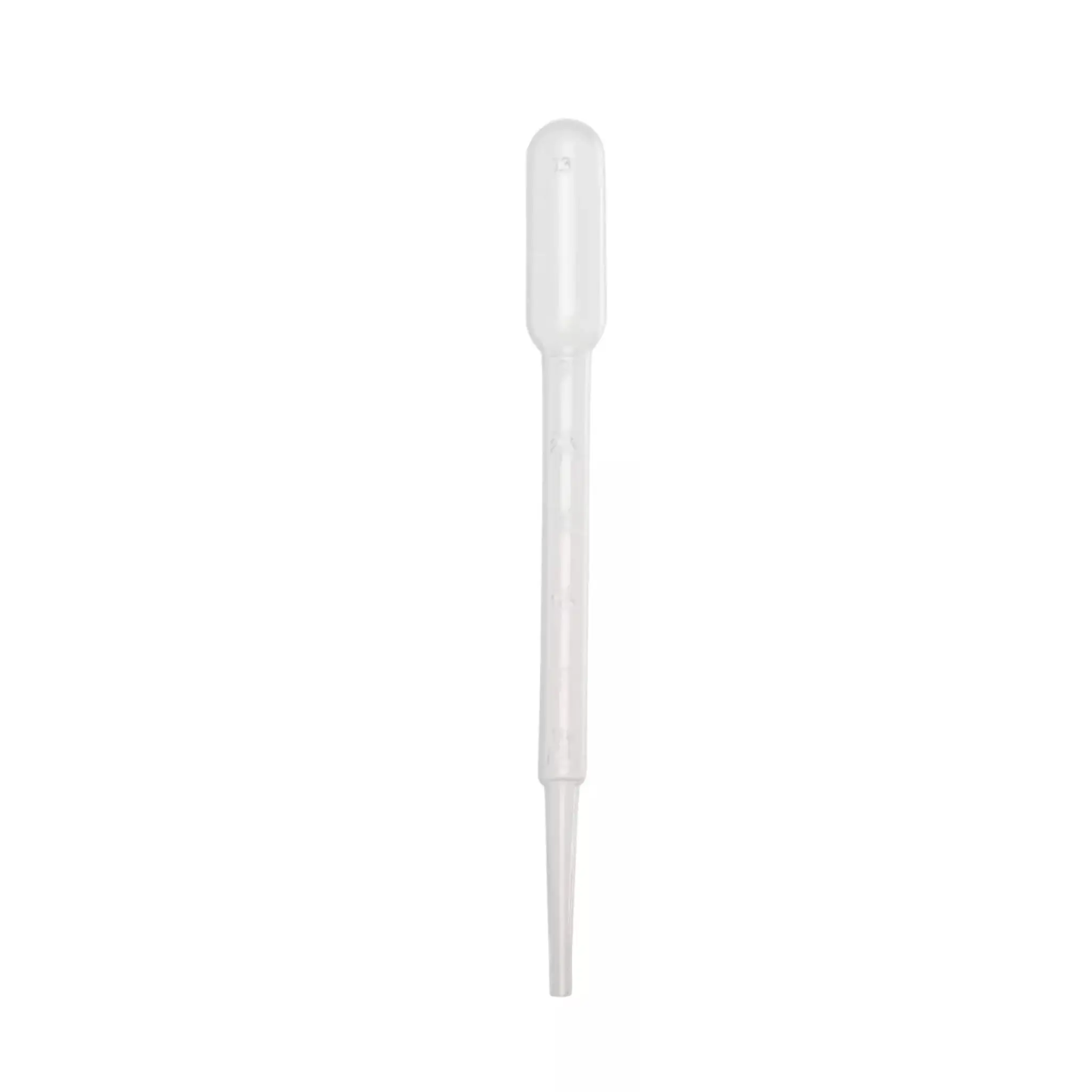
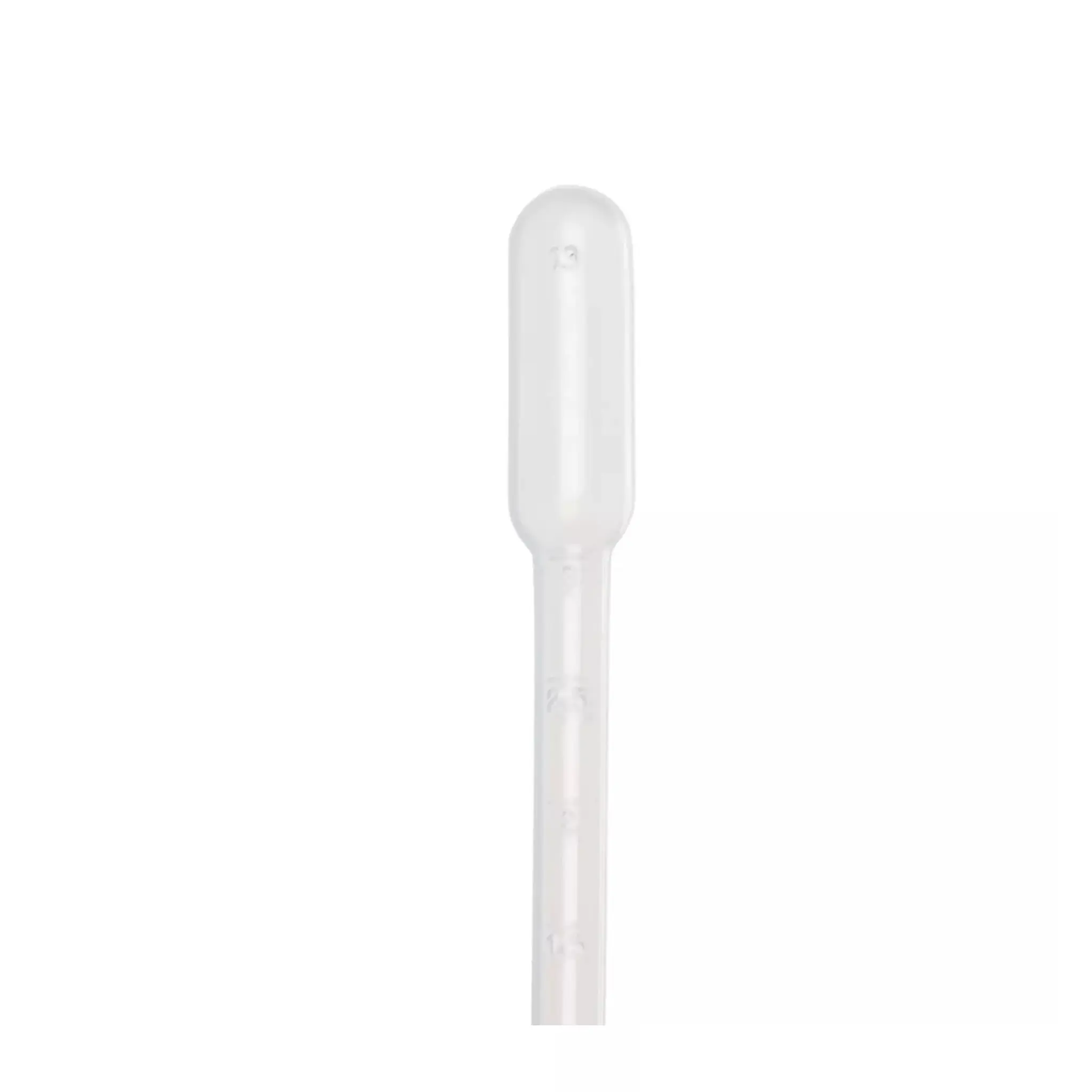
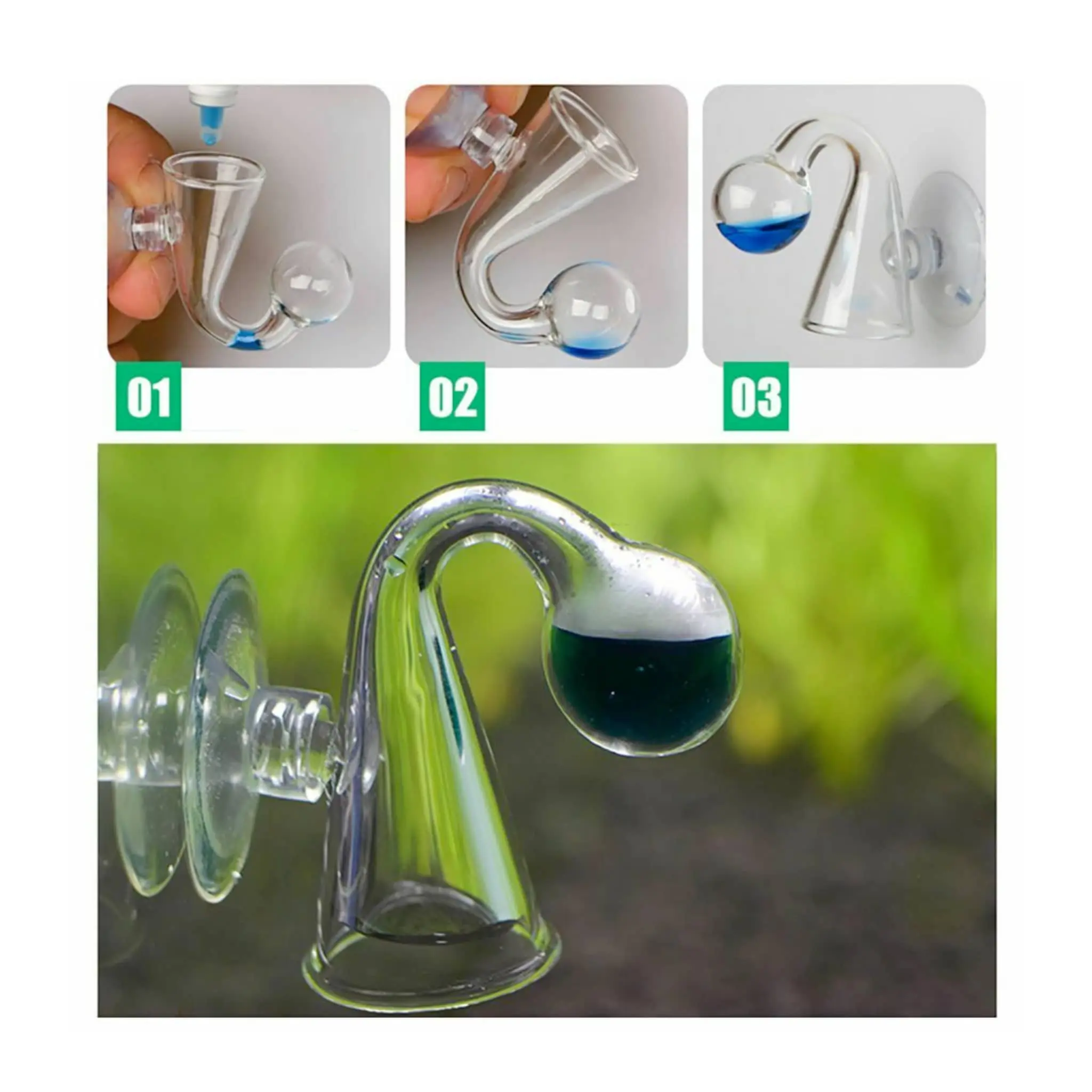
- Turn drop checker upside down and fill drop checker bulb section 3/4 full of bromo blue solution (sold separately). Use a pipette if possible.
- Turn drop checker right way up (without spilling contents) and place inside aquarium so that it is visible. In terms of location, aim for 2-3" off the bottom.
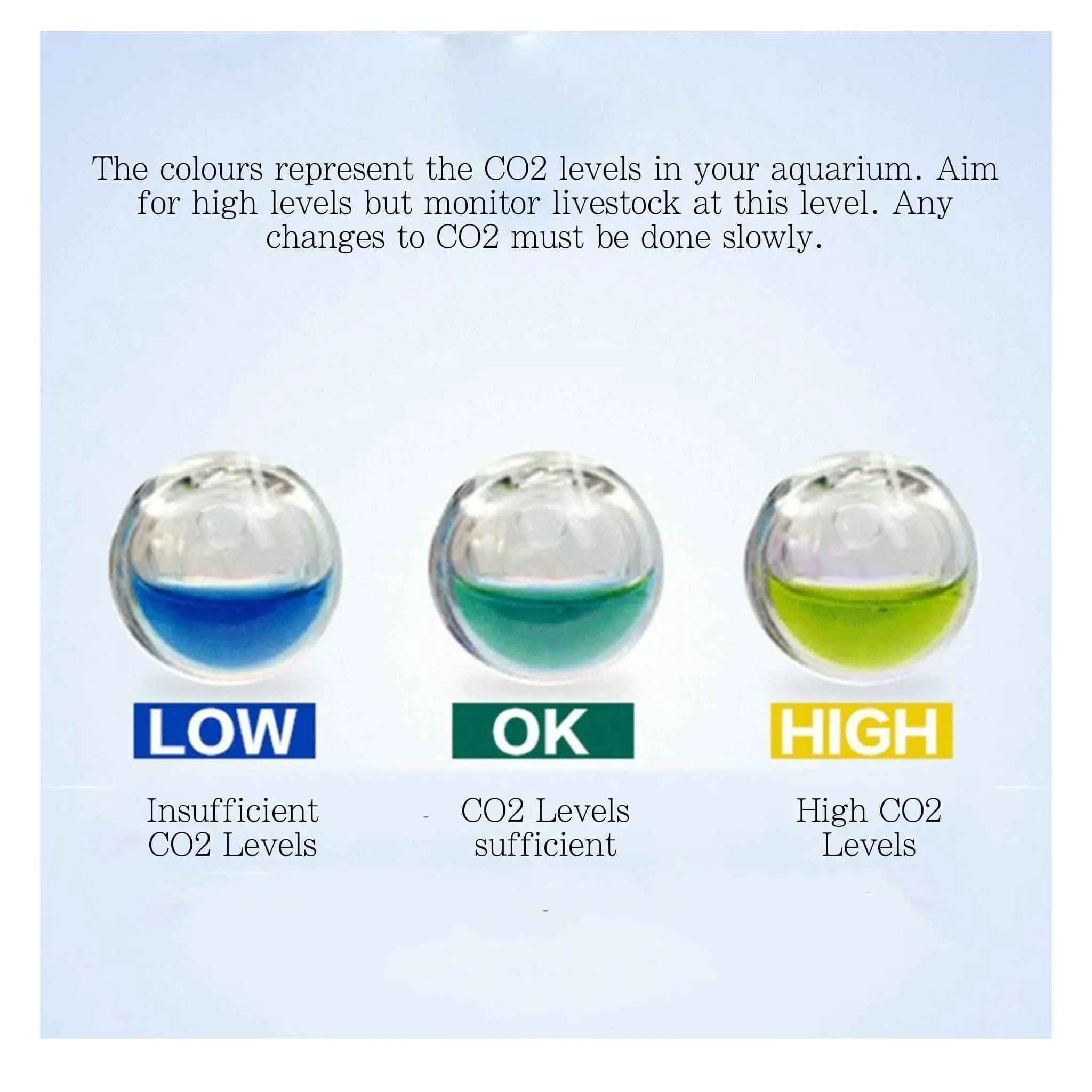
- Within 2 hours drop checker will display a reading according to your CO₂ levels. Green is the ideal colour, yellow is too much CO₂ and blue is too little (adjust CO₂ output accordingly).
Key Point:
Remember your drop checker shows your CO₂ levels 2 hours in the past (essentially a delayed reading). Any changes you make need to be done slowly. In the morning you want your drop checker to be showing a green colour so it's quite normal to have CO2 coming on about 1 hour before the lights come on. If you are new to CO₂, then carefully monitor your fish in the morning to check they are OK. They should be fine but always check until you become familiar with CO₂ levels and how your livestock are.
Final thought. The big question you have to ask yourself if you don't know your CO₂ levels, how do you know if you have enough? 95% of all algae related problems are linked to insufficient CO₂.
Original: $15.99
-70%$15.99
$4.80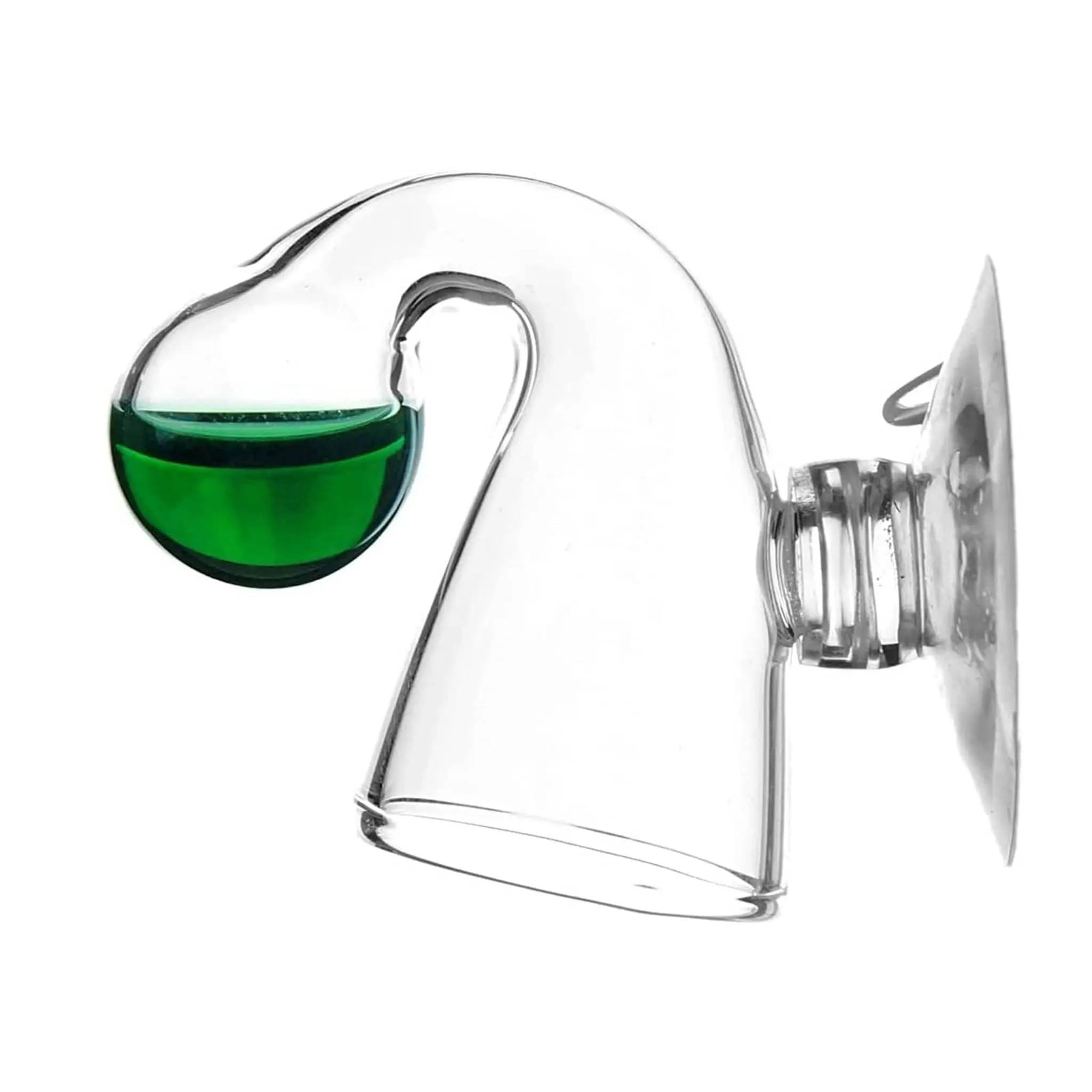
Description
The Neutro Drop Checker is designed to indicate the amount of CO₂ in your planted aquarium. In order to understand the CO₂ level, a colour change occurs within the drop checker.
Drop checkers are the only way to monitor CO₂ levels on a daily basis with high accuracy. This drop checker requires Neutro Bromo Blue solution to work and needs to be purchased separately.
WIthout a drop checker you are guessing your CO₂ levels. This means plant growth will be sporadic and undesirable and this is why drop checkers play an important role when injecting CO2 into a planted aquarium. Drop checkers are very easy to use and start monitoring the levels immediately but always have a 2hour lag.
Directions to use:
- Turn drop checker upside down and fill drop checker bulb section 3/4 full of bromo blue solution (sold separately). Use a pipette if possible.
- Turn drop checker right way up (without spilling contents) and place inside aquarium so that it is visible. In terms of location, aim for 2-3" off the bottom.
- Within 2 hours drop checker will display a reading according to your CO₂ levels. Green is the ideal colour, yellow is too much CO₂ and blue is too little (adjust CO₂ output accordingly).
Key Point:
Remember your drop checker shows your CO₂ levels 2 hours in the past (essentially a delayed reading). Any changes you make need to be done slowly. In the morning you want your drop checker to be showing a green colour so it's quite normal to have CO2 coming on about 1 hour before the lights come on. If you are new to CO₂, then carefully monitor your fish in the morning to check they are OK. They should be fine but always check until you become familiar with CO₂ levels and how your livestock are.
Final thought. The big question you have to ask yourself if you don't know your CO₂ levels, how do you know if you have enough? 95% of all algae related problems are linked to insufficient CO₂.